Author’s Note: While Parallel Lines, Opposite Worlds mapped the internal architecture of systemic breakdown between Autistic and ADHD nervous systems, this piece explores the modern catalyst that accelerates that collapse.
The breakdown between two sensitive, overwhelmed minds is not an inevitability; it is a translation error. When two highly sensitive people enter a profound connection, the capacity for deep empathy is immense, but so is the vulnerability to systemic shock. If the friction between the autistic and ADHD nervous systems is a product of operating on opposing frequencies, then communication breakdown is not a permanent sentence. It is a bridge that can be consciously rebuilt. Just as individuals learn to navigate different cultures, languages, and customs, neurodivergent counterparts can learn to decode each other’s unique internal architecture. The path to communion does not require perfect neurological alignment; it requires an active commitment to learning each other’s distinct communication styles.
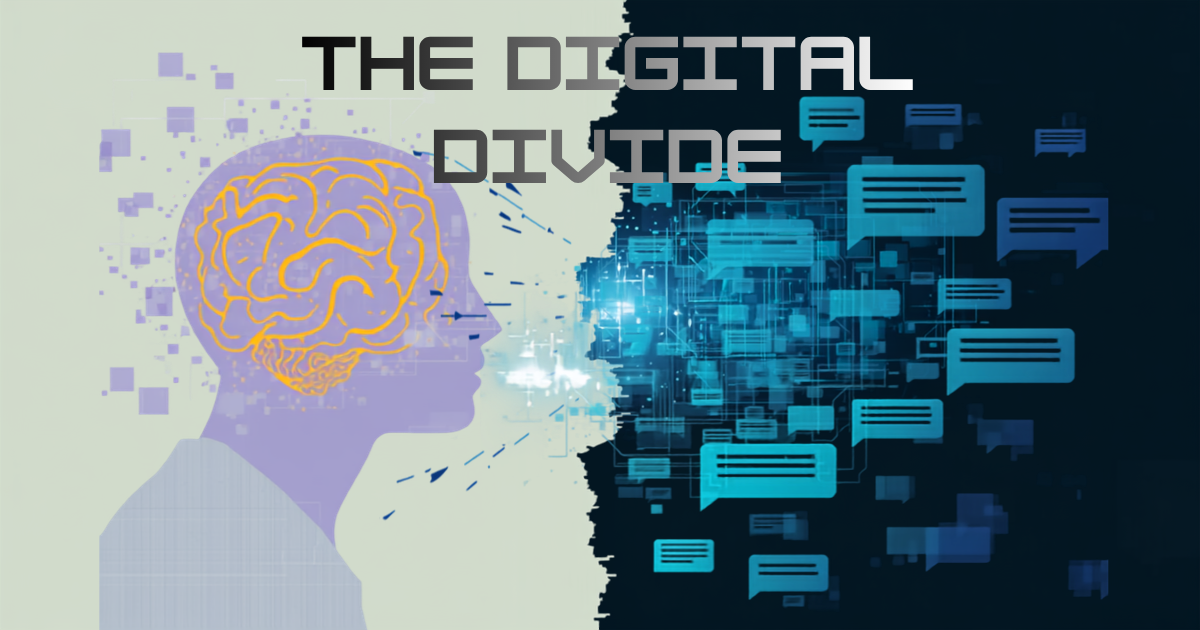
However, the modern world has introduced a silent catalyst that drastically accelerates these breakdowns: the digital screen.
Almost always, the deepest fractures in neurodivergent connections do not originate in the physical presence of the other, but within the cold, flattened landscape of text communication. Texting removes the human element entirely, stripping away the breath, the pausing, the micro-expressions, and the auditory warmth of a human voice. Text communication is a sensory vacuum. When an interaction is reduced to sterile characters on a screen, the nervous system is forced to guess the emotional context. Within this digital void, it becomes tragically easy for a mind entering a state of absolute overload to type something short, flat, and detached. To the person typing, those few blunt words are a desperate attempt to conserve their last drop of neurological energy. But to the recipient, the message sounds freezing, abrupt, and entirely devoid of warmth. Conversely, when a mind struggles to articulate dense, overwhelming thoughts, texting forces a storm of ideas into rigid, linear lines. The words emerge fragmented, jumping rapidly from one topic to another, leaving the reader to misinterpret the chaotic structure as erratic, careless, or hostile. For two highly sensitive people, these small digital missteps feel like catastrophic impacts.
As an autistic individual, navigating real-time interaction does not mean reading expressions or tone with instinctual perfection. Nor does it mean understanding every spoken sentence the exact second it is uttered; often, the autistic mind must simply file a spoken statement away to process its full meaning later. Yet, a physical presence or the sound of a living voice fundamentally shifts the moral landscape of the interaction. You do not need to explicitly explain that you are processing, because the connection is happening dynamically. The other person is there in real time, whether sitting across from you or breathing on the other end of a phone call. That immediate presence anchors the reality of the bond, creating an instinctual safety that commands respect, slows the urge to defend, and invites a gentler, more deliberate response.
Texting entirely destroys this visual sanctuary. Without a physical presence or a voice to ground the interaction, our protective buffer dissolves. When the other person is neither visible nor audible, the sheer volume of unknown variables triggers an intense, artificial urgency. Because you cannot see or hear them, you feel a desperate need to force clarity out of the void. This drives a compulsion to text continuously, sending the next sentence immediately to freeze the other person’s thought process. You are not trying to maintain a conversation; you are trying to prevent the silence that allows a misunderstanding to form. Yet, this rapid-fire pacing completely robs you of the time required to naturally file away and process information. Words are easily misunderstood, sentences are read with a harsher tone than intended, and the nervous system is triggered into an immediate, hyper-reactive state. In the digital void, we do not respond to the actual human being; we react entirely to the terrors of our own minds, fighting the ghosts born from our own anxiety. This is how the lines snap. This is how the communication problem triumphs.
To overcome the double empathy problem, we must recognize the tragic reality of our modern infrastructure. The breakdown is not a tragedy of incompatibility between autistic and ADHD minds, but a structural failure of the medium itself. Text messaging is a fundamentally incompatible medium for neurodivergent vulnerability. It reduces a complex, living human being into a flat screen, making it terrifyingly easy to minimize them entirely. When a connection is stripped of its physical presence, the soul on the other side becomes nothing more than pixels, leaving them vulnerable to a cold, effortless dismissal and erasure.
This was published on Substack on August 25, 2026. https://noorvoss.substack.com/p/digital-divide-autism-adhd-communication